Residential Chargers
Home wallboxes and smart chargers for private driveways and garages.
Filters
4 listings
Residential Chargers
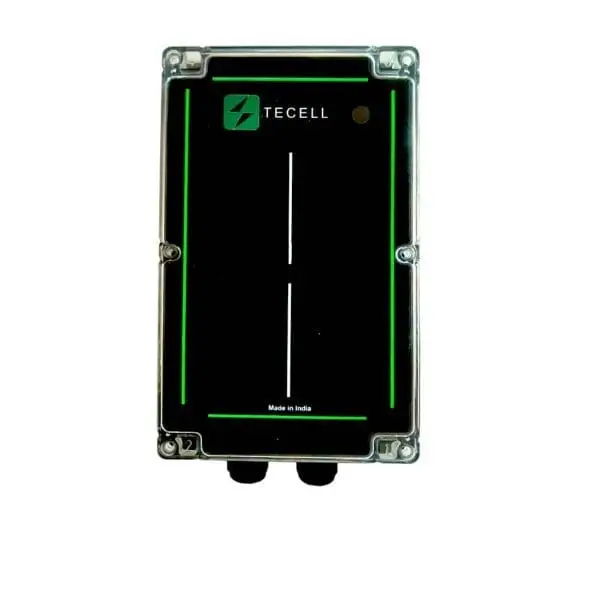
Tecell Eris X5 3.3kW RFID Home EV Charger for 2, 3 & 4-Wheelers, 3-Pin 15A
₹4,680or best offer
Residential Chargers
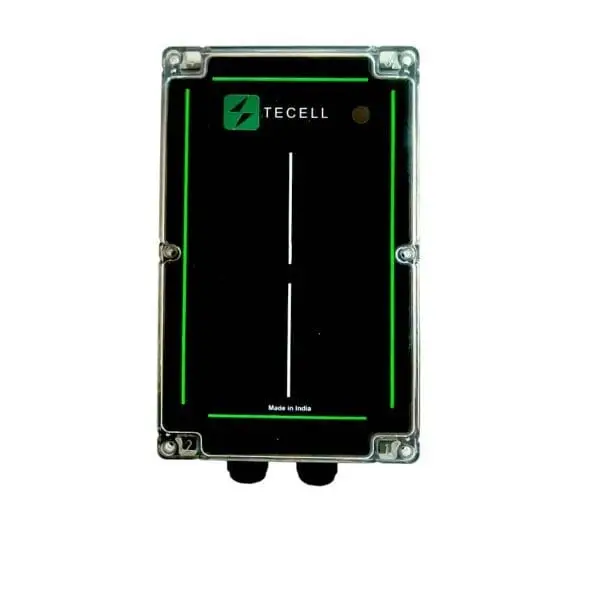
Tecell Eris X6 3.3kW WiFi Home EV Charger, 15A 3-Pin Socket, OCPP, App Control
₹4,680or best offer
Residential Chargers
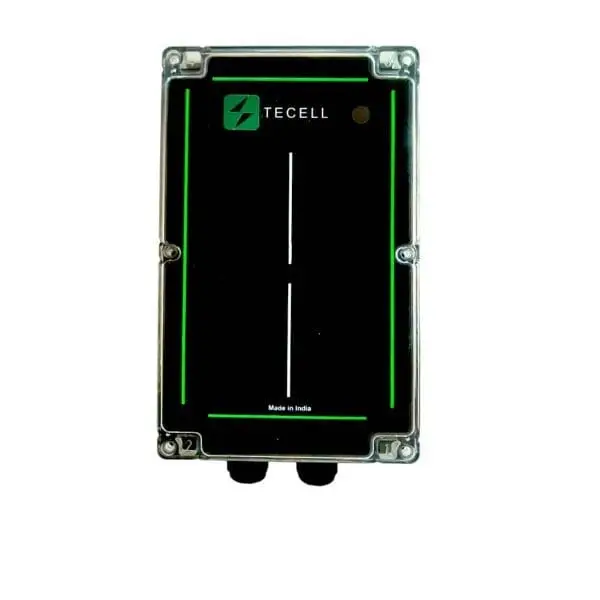
Tecell Eris X2 3.3kW GSM Smart Home EV Charger, 15A 3-Pin Socket, OCPP, App Control
₹6,820or best offer
Residential Chargers
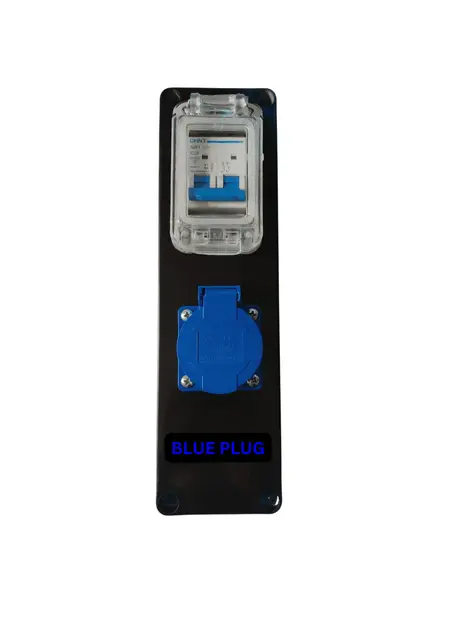
Tecell BluePlug Home Socket EV Charger 3.3 kW 16A with MCB, 3-Pin Socket, Wall-Mount
Make an offer
About residential chargers on Talvix
Residential chargers are designed for private home use, including garage and driveway installations. These systems typically operate at Level 2 and support regular charging needs. Buyers make structured offers and deal directly with sellers on Talvix. Important factors to compare include power output, smart features, and compatibility with EV models.
Independent sellers on Talvix list residential charging solutions in various conditions. Buyers can review equipment details and seller terms before making offers. Sellers provide full technical specifications and conditions directly.
Frequently asked questions
What is the typical power output for residential chargers?
Residential chargers usually operate between 7 kW and 22 kW, suitable for home charging needs.
Are smart features included in residential chargers?
Many residential chargers include smart features such as scheduling, remote control, and energy monitoring.
Buying checklist
- Match the connector standard and power rating to the vehicles and grid connection on your site.
- Ask which OCPP version the charger supports and whether it is locked to a particular network back end.
- Request installation and service history, recent fault logs and any test or commissioning reports.
- Check that the input voltage and phase match your local supply and electrical regulations.
- Confirm warranty status and whether firmware updates are still available from the manufacturer.
Selling? Include these
- Photograph the nameplate (hide serial numbers if you prefer), connectors, cable and display.
- State the rated power, connector types, input phase and protocol support accurately.
- Disclose faults, missing parts and whether the unit was decommissioned or never installed.
- Attach the datasheet or manual so buyers can check compatibility themselves.